
The Hidden Cost
The Hidden Cost
Understanding the negligent practices that compromise your food safety
Understanding the negligent practices that compromise your food safety
THE HIDDEN COST
Understanding the negligent practices that compromise your food safety.
WHAT YOU'RE EXPOSED TO DAILY:
WHAT YOU'RE EXPOSED TO DAILY:
PESTICIDE RESIDUE
PESTICIDE RESIDUE
Organophosphates & pyrethroids damage nerves, reduce IQ, and increase cancer risk
Organophosphates & pyrethroids damage nerves, reduce IQ, and increase cancer risk
HEAVY METALS
HEAVY METALS
Arsenic, lead, cadmium cause kidney disease, cognitive impairment, and cancer (200x higher risk)
Arsenic, lead, cadmium cause kidney disease, cognitive impairment, and cancer (200x higher risk)
CARCINOGENIC AFLATOXINS
CARCINOGENIC AFLATOXINS
68x more potent than cyanide; 30x increased liver cancer risk from chronic exposure
68x more potent than cyanide; 30x increased liver cancer risk from chronic exposure
TOXIC ADULTERANTS
TOXIC ADULTERANTS
Metanil yellow, lead chromate, mineral oil cause liver/kidney damage and neurological harm
Metanil yellow, lead chromate, mineral oil cause liver/kidney damage and neurological harm
PATHOGENS
PATHOGENS
Salmonella, E. coli, Listeria cause severe gastroenteritis, kidney failure (HUS), and meningitis
Salmonella, E. coli, Listeria cause severe gastroenteritis, kidney failure (HUS), and meningitis
KESARI DAL
KESARI DAL
Contains neurotoxin ODAP; causes Lathyrism—permanent lower limb paralysis
Contains neurotoxin ODAP; causes Lathyrism—permanent lower limb paralysis
FOREIGN MATTER
FOREIGN MATTER
Stones, glass, metal cause dental fractures, choking, and intestinal perforation
Stones, glass, metal cause dental fractures, choking, and intestinal perforation
MICROBIAL RECONTAMINATION
MICROBIAL RECONTAMINATION
Mold spores and pathogens enter sealed packages after "passing" initial testing
Mold spores and pathogens enter sealed packages after "passing" initial testing
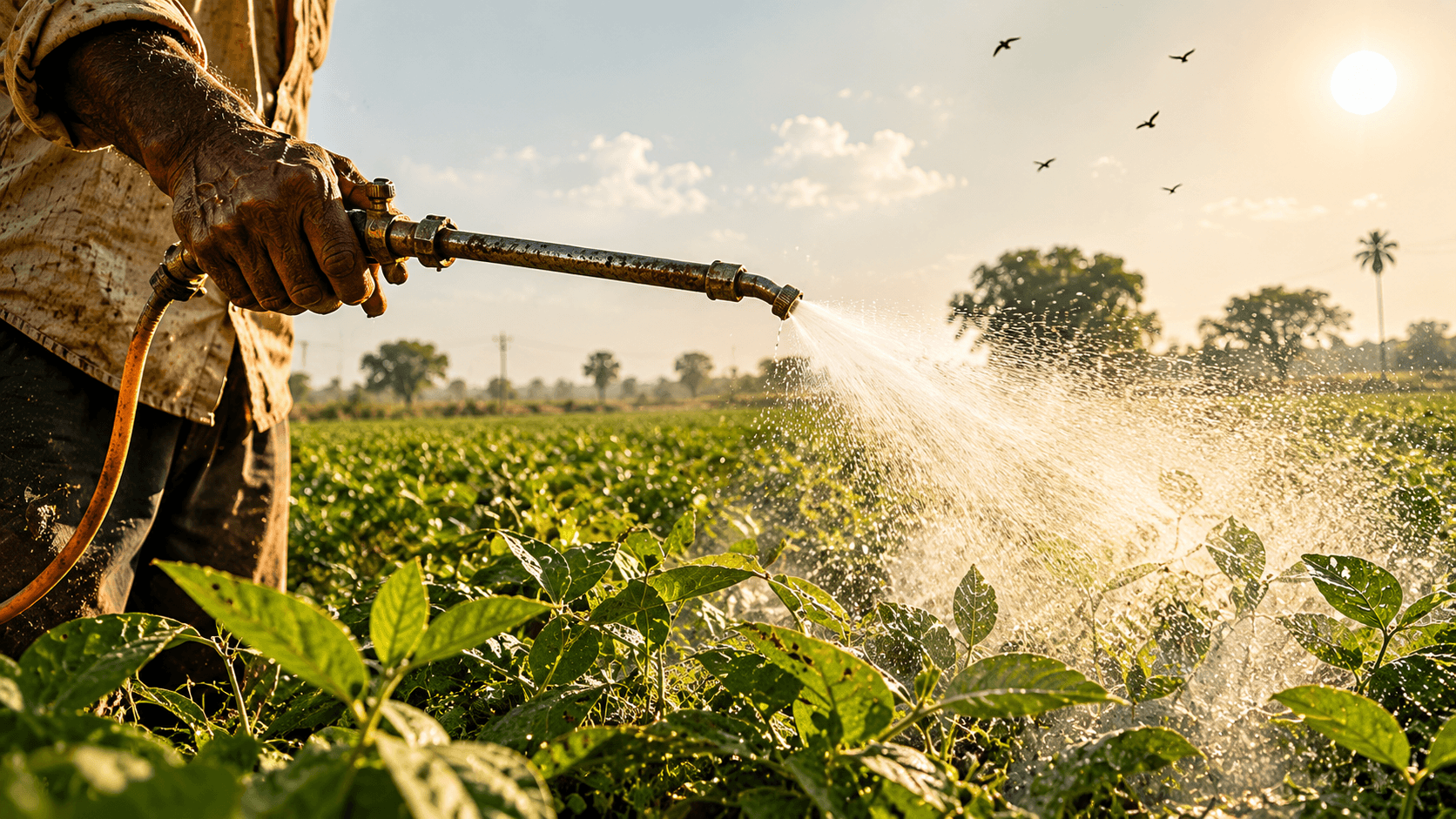

FARM
Pesticide Overuse, Contaminated Water & Soil
Farmers often face two major hidden threats: excessive pesticide use and contamination of irrigation water and soil. Dangerous pesticides such as organophosphates and pyrethroids are frequently applied beyond safe limits, while heavy metals like arsenic, lead, and cadmium accumulate in topsoil and water sources. In many regions, farmers remain unaware of regulatory thresholds, contamination hotspots, and safe farming practices.
SPECIFIC CHALLENGES
Farmers unaware of FSSAI/Codex Maximum Residue Limits (MRLs)
200+ pesticide molecules applied across regions
No safety windows observed between pesticide application and harvest
Heavy metals absorbed directly into grains through contaminated irrigation channels
District-specific hotspots with elevated cadmium and arsenic in topsoil
Lack of soil testing and contamination awareness among farmers
SPECIFIC HEALTH CONSEQUENCES
FARM
Pesticide Overuse, Contaminated Water & Soil
Farmers often face two major hidden threats: excessive pesticide use and contamination of irrigation water and soil. Dangerous pesticides such as organophosphates and pyrethroids are frequently applied beyond safe limits, while heavy metals like arsenic, lead, and cadmium accumulate in topsoil and water sources. In many regions, farmers remain unaware of regulatory thresholds, contamination hotspots, and safe farming practices.
SPECIFIC CHALLENGES
Farmers unaware of FSSAI/Codex Maximum Residue Limits (MRLs)
200+ pesticide molecules applied across regions
No safety windows observed between pesticide application and harvest
Heavy metals absorbed directly into grains through contaminated irrigation channels
District-specific hotspots with elevated cadmium and arsenic in topsoil
Lack of soil testing and contamination awareness among farmers
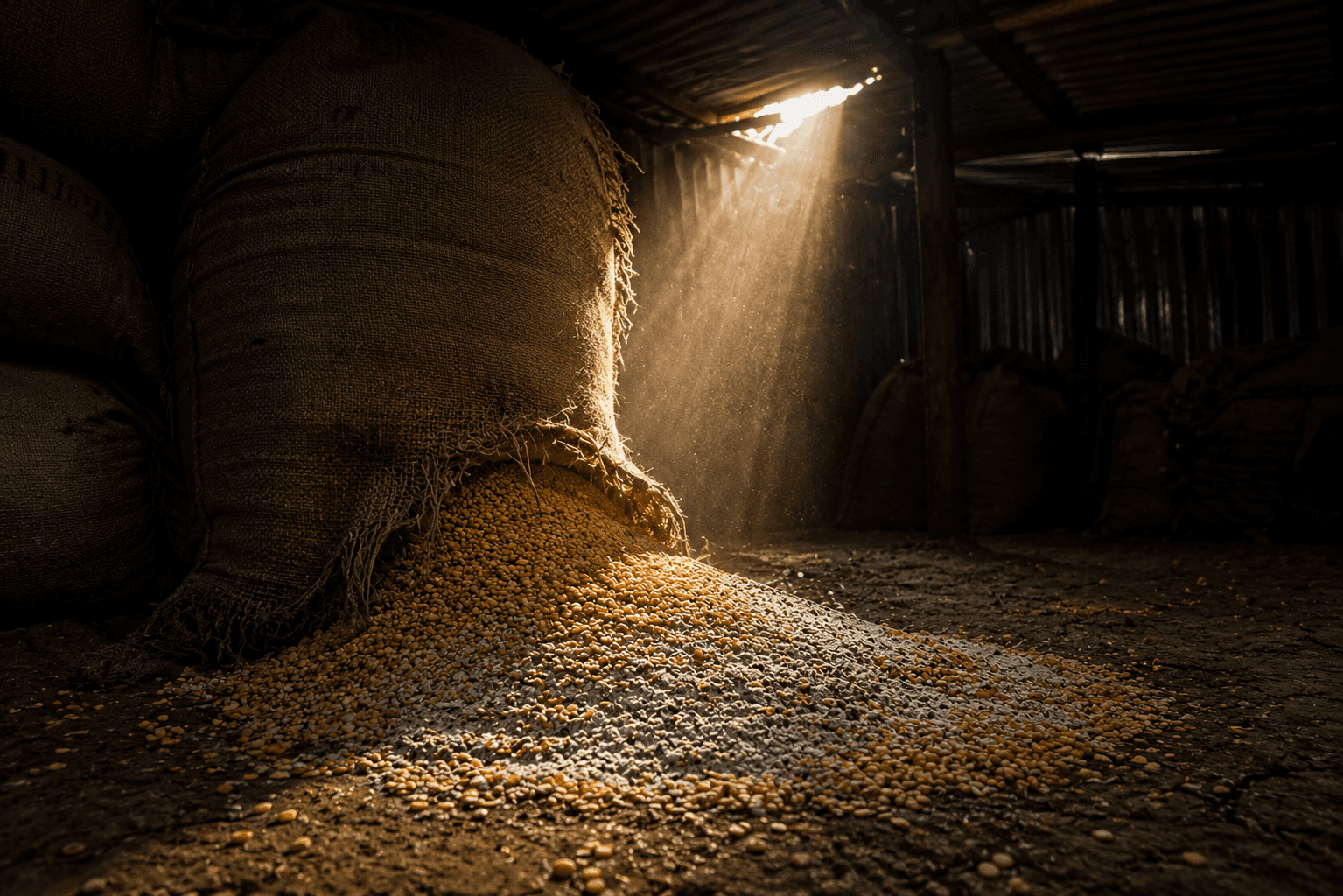
POST HARVEST
Improper Drying & Aflatoxin
Moisture levels above 12-14% trigger fungal growth (Aspergillus flavus), producing carcinogenic aflatoxins that persist even after processing.
SPECIFIC CHALLENGES
Moisture above 12-14% triggers Aspergillus flavus fungal growth
Aflatoxins (B1, B2, G1, G2) are classified carcinogens
Toxins persist through processing and cooking
SPECIFIC HEALTH CONSEQUENCES
POST HARVEST
Improper Drying & Aflatoxin
Moisture levels above 12-14% trigger fungal growth (Aspergillus flavus), producing carcinogenic aflatoxins that persist even after processing.
SPECIFIC CHALLENGES
Moisture above 12-14% triggers Aspergillus flavus fungal growth
Aflatoxins (B1, B2, G1, G2) are classified carcinogens
Toxins persist through processing and cooking
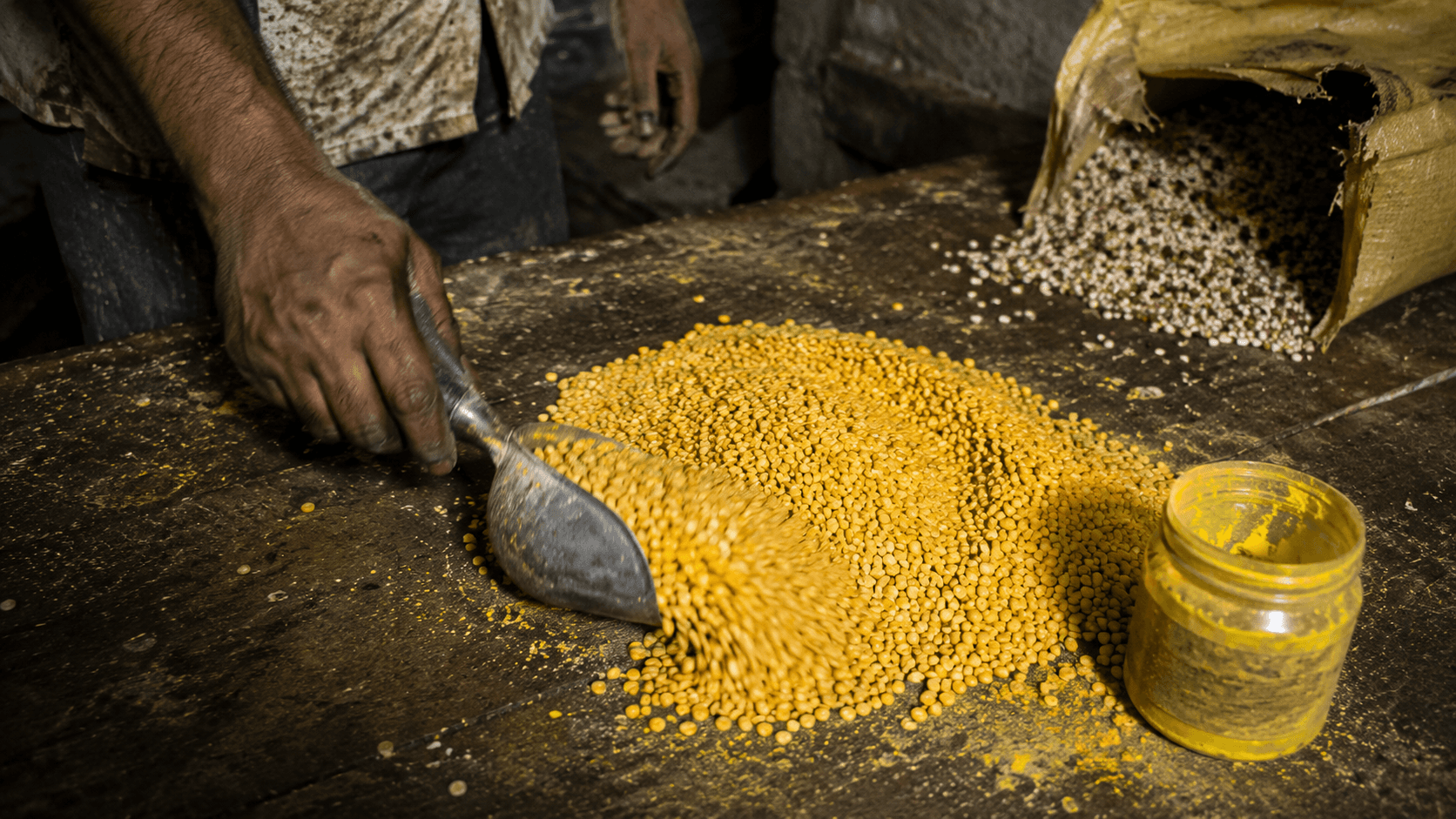
MILLING
Toxic Adulterants & Cross-Contamination
Metanil yellow, lead chromate, and mineral oil coatings brighten inferior products. Kesari dal (toxic lathyrus beans) are mixed in for yield inflation. Cross-contamination between batches spreads microbial hazards.
SPECIFIC CHALLENGES
Metanil yellow, lead chromate, and mineral oil used for cosmetic appeal
Kesari dal (neurotoxic Lathyrus sativus) mixed for yield inflation
Poor hygiene and cross-contamination between batches
SPECIFIC HEALTH CONSEQUENCES
MILLING
Toxic Adulterants & Cross-Contamination
Metanil yellow, lead chromate, and mineral oil coatings brighten inferior products. Kesari dal (toxic lathyrus beans) are mixed in for yield inflation. Cross-contamination between batches spreads microbial hazards.
SPECIFIC CHALLENGES
Metanil yellow, lead chromate, and mineral oil used for cosmetic appeal
Kesari dal (neurotoxic Lathyrus sativus) mixed for yield inflation
Poor hygiene and cross-contamination between batches
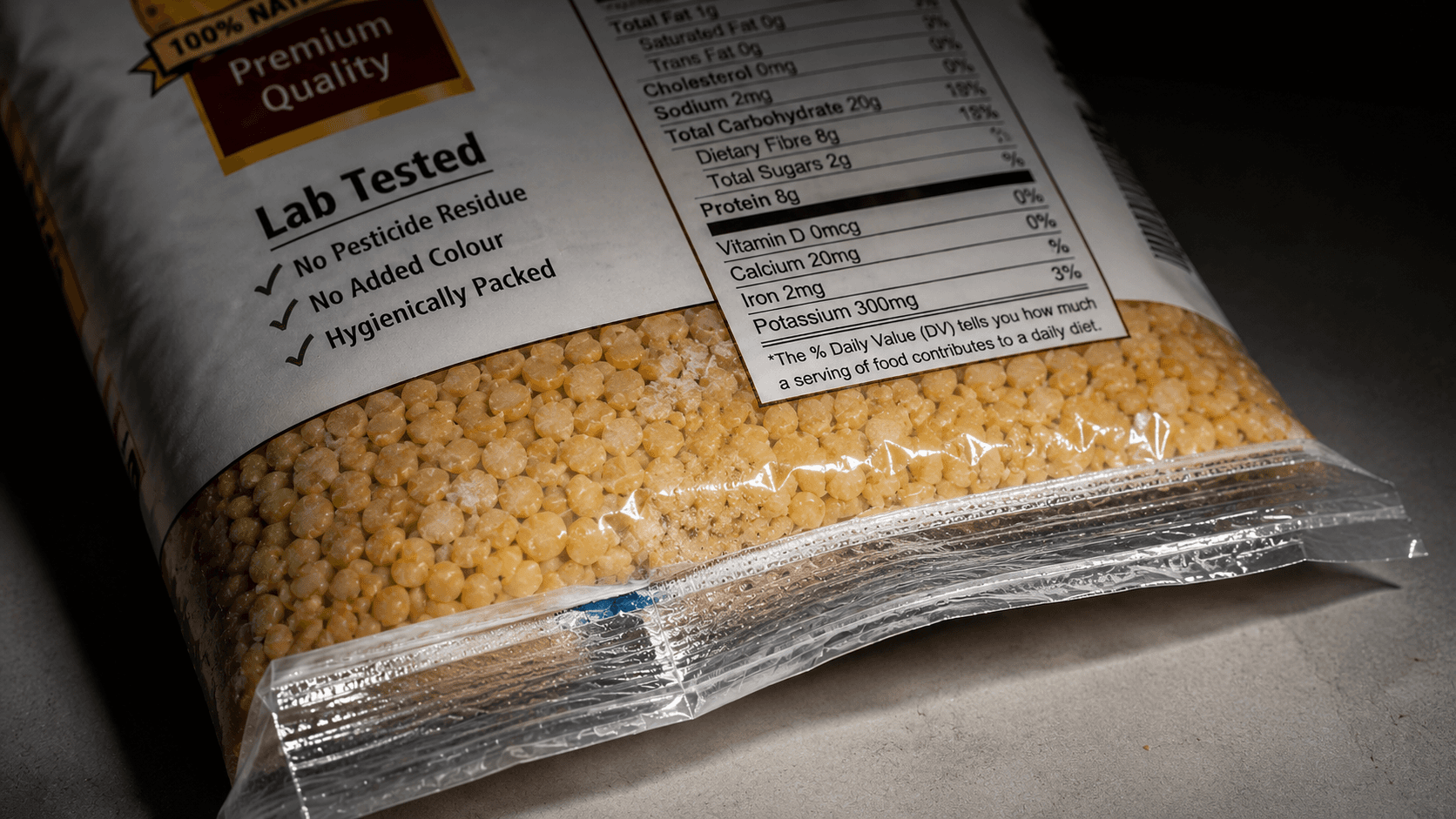
PACKAGING
Seal Failure & Post-Pack Aflatoxin
Poor sealing allows oxygen and moisture reentry into finished packs. Products pass initial testing but become contaminated inside the package, creating hidden hazards.
SPECIFIC CHALLENGES
2-5% seal failure rate on low-cost packing equipment
Oxygen and moisture reentry enable aflatoxin synthesis AFTER testing
Non-GMP packing halls reintroduce pathogens at final stage
SPECIFIC HEALTH CONSEQUENCES
Post-pack aflatoxin:
"Time bomb" in sealed packages—products test safe then become toxic in storage.
Listeria monocytogenes:
Dangerous for pregnant women (miscarriage, stillbirth), newborns (meningitis), and elderly (20-30% mortality)
Salmonella & E. coli:
Rodent contamination:
Salmonella infection:
Introduces Leptospira (kidney/liver failure) and Salmonella.
Insect allergens & pathogens:
Fungal growth and beetle frass trigger allergic reactions and asthma in sensitive individuals.
PACKAGING
Seal Failure & Post-Pack Aflatoxin
Poor sealing allows oxygen and moisture reentry into finished packs. Products pass initial testing but become contaminated inside the package, creating hidden hazards.
SPECIFIC CHALLENGES
2-5% seal failure rate on low-cost packing equipment
Oxygen and moisture reentry enable aflatoxin synthesis AFTER testing
Non-GMP packing halls reintroduce pathogens at final stage
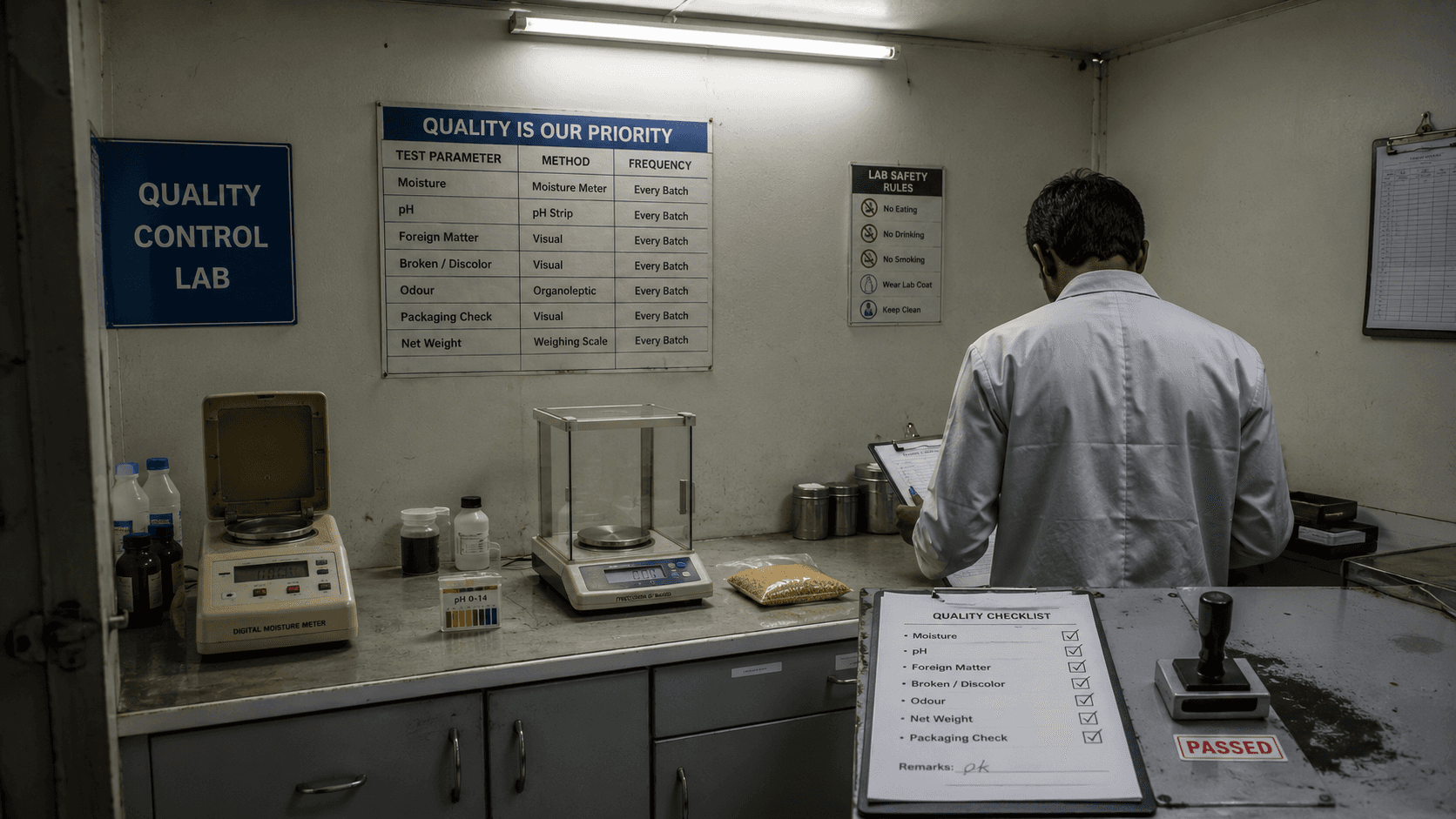
Testing & Transparency
Inadequate Testing & No Accountability
Most processors test fewer than 10 parameters using basic equipment. Pesticide residues, mycotoxins, and heavy metals go undetected. Results remain hidden from consumers.
SPECIFIC CHALLENGES
Typical industry tests <10 parameters (moisture, basic appearance)
200+ pesticide residues and mycotoxins unscreened
Heavy metals and adulterants not detected
SPECIFIC HEALTH CONSEQUENCES
Testing & Transparency
Inadequate Testing & No Accountability
Most processors test fewer than 10 parameters using basic equipment. Pesticide residues, mycotoxins, and heavy metals go undetected. Results remain hidden from consumers.
SPECIFIC CHALLENGES
Typical industry tests <10 parameters (moisture, basic appearance)
200+ pesticide residues and mycotoxins unscreened
Heavy metals and adulterants not detected
CUSTOMER CARE
1800-202-5031
CUSTOMER CARE
1800-202-5031
